Digital Casino Directions
Online casino entertainment is moving into a slightly stranger, more polished space. It is no longer just a matter of opening a slot, spinning, and leaving. The modern gambling platform increasingly behaves like a streaming service, a social app, and a payment wallet at once. I noticed this most clearly one rainy evening when I opened a live roulette lobby on my phone and found myself watching a presenter chat with players before I had even decided whether to place a bet.
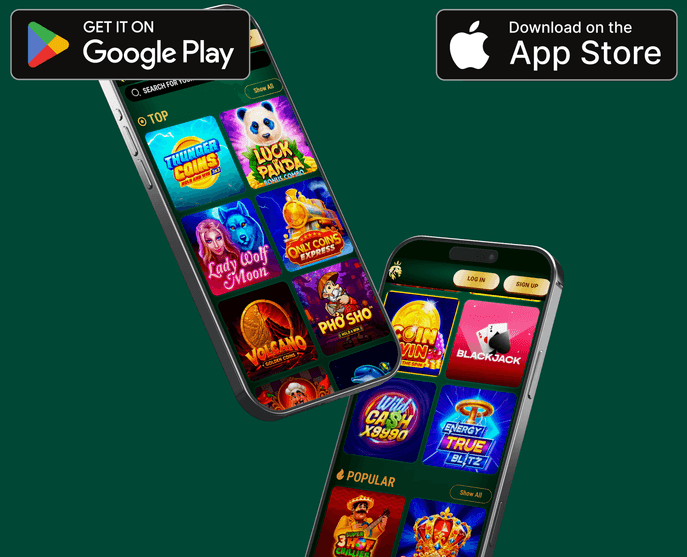
That small pause mattered. In older casino sites, the action felt immediate and rather mechanical. Now the journey often begins with recommendations, game previews, short videos, tournament banners, and personalised offers. Some of it can feel distracting, honestly, but it also makes the casino experience more fluid. The biggest shift is that games are being designed around attention, not only around wagers.
Formats Beyond Traditional Games
Slots remain central, of course, but their format is changing. I have tried titles that begin with a short animated scene, then switch into a familiar reel layout, and others that use missions, collection meters, or small decision points between spins. These features do not alter the underlying randomness, but they change the feeling of participation. A player is not simply waiting for symbols anymore. They are following a little progression loop.
There is also more crossover between casino games and casual mobile entertainment. Providers are borrowing visual language from arcade games, video platforms, and even game shows. The result is sometimes impressive, sometimes a bit too busy for my taste. Still, it explains why quick rounds and clear visual rewards are becoming so common.
| Format trend | What I noticed | Why it may last |
|---|---|---|
| Mission-based slots | Small goals between ordinary spins | They give sessions a clearer rhythm |
| Game-show tables | More cameras, sound cues, and host interaction | They are easy to watch before joining |
| Short-session games | Fast entry and fewer setup steps | They suit mobile habits |
The future probably will not erase classic blackjack, roulette, or simple three-reel slots. I doubt that. Instead, familiar games will be wrapped in fresher presentation layers, improved discovery tools, and more optional features. That distinction is important, because a polished lobby should not make the rules harder to understand.
The appeal of shorter sessions
Mobile use has trained me to expect things to load quickly and make sense almost instantly. Casino platforms are adapting to that habit with one-tap game launches, saved payment methods, and smaller promotional tasks. The convenience is real, though it also means I have to be more deliberate about limits. Fast access is useful, but it can make time disappear rather quietly.
- I check the game rules and payout information before treating a new format like a familiar one.
- I set a session budget before opening a live table or a feature-heavy slot.
- I use deposit and reality-check tools when a platform provides them.
Those steps sound basic, perhaps even obvious, but modern casino design is built to reduce friction. A little intentional friction on my side is not a bad thing.
Live Dealer Streaming Changes
Live dealer innovation is where online casino entertainment feels most like mainstream streaming. A standard table with one camera and a quiet dealer still exists, but studios are adding multiple angles, larger sets, on-screen statistics, side betting panels, and interactive chat. I once spent a few minutes simply observing a baccarat table because the broadcast looked more like a carefully lit television programme than a gambling page.
The presenter matters more now too. A good host keeps the table understandable without sounding rehearsed. That is difficult. The best streams I have seen are calm, responsive, and not overly loud. A presenter who can explain a delayed round or acknowledge a chat message makes the digital space feel less anonymous.
From broadcast to participation
Interactivity is the key difference between passive viewing and live gaming. Chat, polls, multiplier rounds, and animated overlays create the sense that something is happening around the table, not just at it. Still, I prefer when these extras remain optional. Too many pop-ups can make roulette feel oddly exhausting.
| Live feature | Player benefit | Potential drawback |
|---|---|---|
| Multiple camera views | A clearer view of the table and process | More data use on mobile connections |
| Live chat | A more social atmosphere | Chat can become distracting |
| Game-show mechanics | More variety within one broadcast | Rules may take longer to absorb |
Changing Player Habits
Registration is becoming less painful, which is probably inevitable. Secure identity checks, autofill, digital wallets, and faster verification can shorten the distance between curiosity and a first game. I appreciate efficient onboarding, especially when a casino explains why a document is required rather than burying the request in a vague notice.
At the same time, player expectations are becoming more selective. People compare welcome bonuses, withdrawal speeds, game libraries, and support responses with the same casual scrutiny used for streaming subscriptions. A generous bonus may attract attention, but unclear wagering terms can ruin the experience quickly. I have left platforms for that reason, even when the game selection looked excellent.
- Clear payment information will matter as much as flashy promotions.
- Mobile-first design will remain essential, but desktop players will still expect depth.
- Trust signals, licensing details, and responsible gaming controls will become more visible.
A casino can feel entertaining without being confusing. That sounds like a low bar, but it is not always met. In my experience, the best platforms make the important details easy to find, including deposit limits, withdrawal policies, and bonus conditions.
Technology, Trust and Personalisation
Artificial intelligence, data analysis, and automation are already shaping the casino lobby. Recommendations can help surface a game I might actually enjoy, rather than leaving me to scroll through hundreds of thumbnails. Yet personalisation has a line. When suggestions become too persistent, they feel less helpful and more like pressure.
The useful version of smart technology is quiet. It improves search, detects suspicious account activity, supports safer payment checks, and perhaps highlights tools that help a player stay within limits. A tooltip can also make a complicated term less intimidating, such as wagering requirements. Small explanations like that can prevent a lot of confusion.
I expect immersive features, including better studio graphics and lighter versions of virtual reality, to keep appearing. But I do not think a headset will suddenly become essential for casino play. Convenience tends to win. A phone, stable connection, clear controls, and a straightforward withdrawal process still matter more than a futuristic lobby.
For me, that is the interesting tension in where online entertainment is heading. Casino games are turning into richer digital experiences, especially through live dealer streaming, but the strongest innovation may be the kind that feels almost invisible. Faster loading, clearer rules, sensible personalisation, safer account controls, and a presenter who makes a table feel human, those details stay with me longer than any glossy effect.